
How to Get Your Financial Life Organized (Without Feeling Like You Need a Finance Degree)
If you’ve ever felt like you should know more about your money by now, you are not alone.
A lot of adults in their late 20s, 30s, and 40s are building careers, raising families, buying homes, growing businesses, and trying to make smart long-term decisions — all while feeling like no one ever really taught them how all the pieces fit together.
You might already have a retirement account through work. Maybe you opened a Roth IRA years ago. Maybe you own a business and have separate accounts, a life insurance policy, and a growing list of responsibilities that all affect your future.
The challenge usually isn’t laziness...It’s that financial planning often feels fragmented.
Investments are in one place. Insurance is somewhere else. Your business finances are handled separately. Estate documents are something you know you need, but haven’t gotten to yet.
And because life is busy, it’s easy to keep pushing it off.
The good news is that getting your financial situation together does not start with knowing everything. It starts with having the right process and the right people on your advisory team.
Start With the Bigger Picture, Not the Product
One of the biggest mistakes people make is starting with a product instead of a plan.
They may ask:
Should I buy more life insurance?
Should I increase my 401(k)?
Do I need an umbrella policy?
Should I invest more aggressively?
What’s the best way to protect my business?
(And if these questions already feel a step ahead of where you are at, that is ok!)
While those are important questions, the real first step is understanding:
What are you trying to protect, build, or prepare for?
For some people, that means making sure their family would be okay if something happened to them tomorrow.
For others, it means figuring out whether they’re actually on track for retirement.
For business owners, it may mean balancing growth, tax efficiency, business protection, and personal wealth planning all at once.
The best financial professionals help you zoom out before zooming in. They know the right questions to ask and how to guide you based on your answers.
How to Vet a Financial Advisor Without Feeling Intimidated
A lot of people assume they’re not “qualified enough” to interview a financial advisor or may not even realize that they should be going through an interview process to make sure they find the right fit.
The truth is, asking simple questions is exactly what smart planning looks like.
Before working with anyone, it’s worth taking five minutes to verify their background through FINRA BrokerCheck and the SEC’s Investment Adviser Public Disclosure tool.
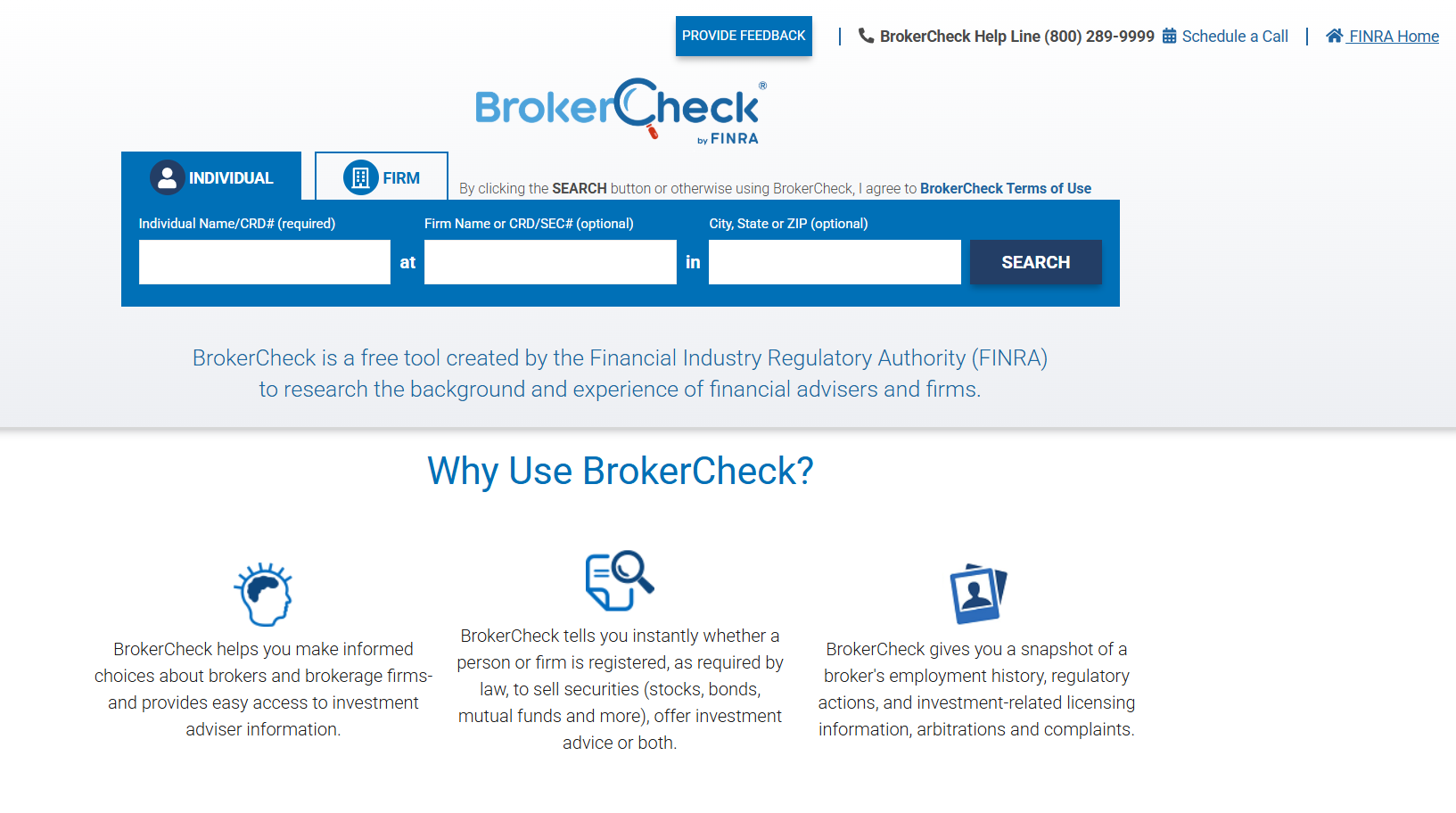
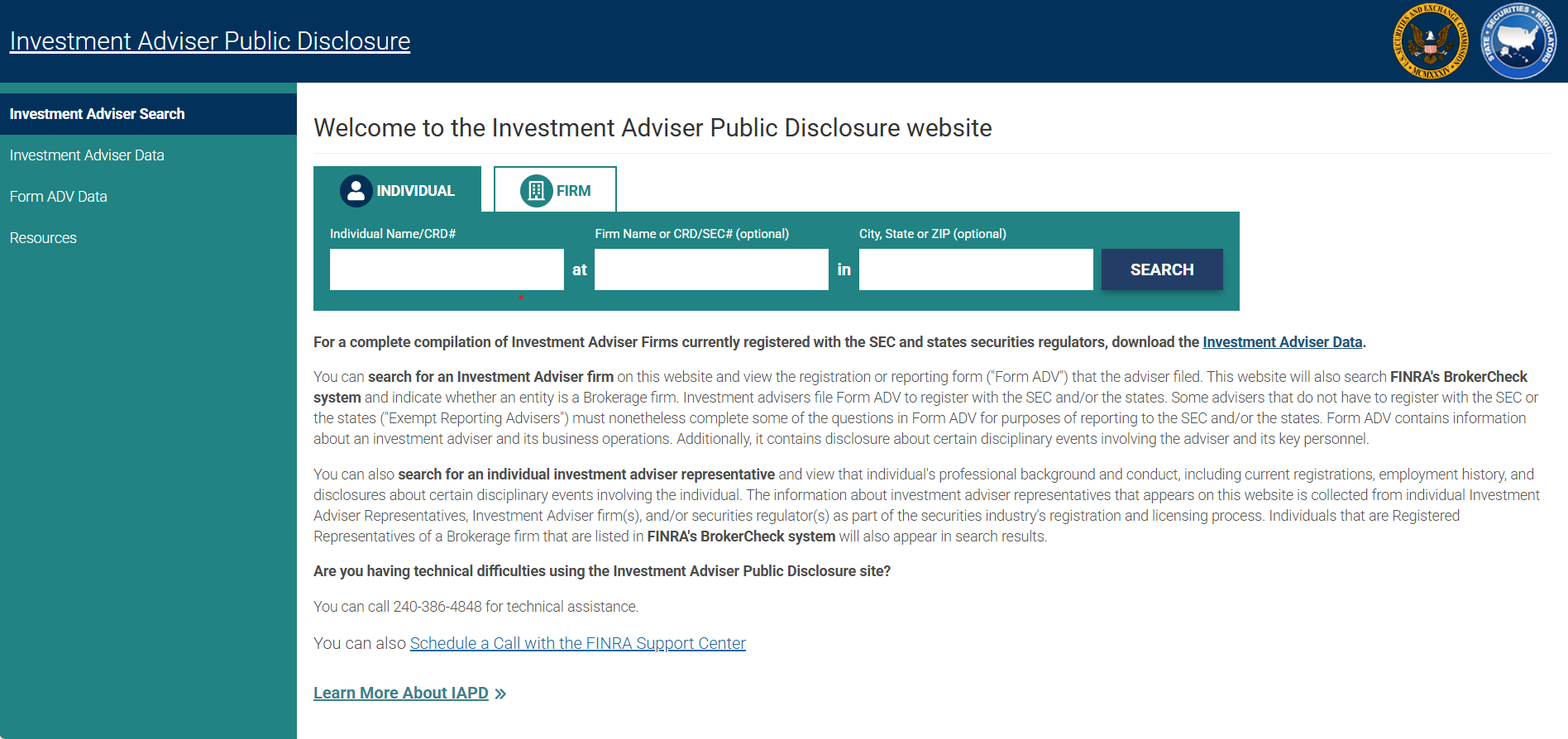
These tools let you confirm:
licensing
work history
disciplinary disclosures
firm affiliations
professional registrations
If they hold the CFP® designation, you can also verify that separately through the CFP Board’s lookup tool.
This step alone gives people so much more confidence walking into a conversation. From there, the interview itself should feel simple and conversational.
Ask them who they work with most often. Do they primarily help young families? Business owners? Pre-retirees? High-income professionals? Multi-generational planning households?
Their answer tells you whether your season of life is something they truly understand.
You also want to ask how they approach planning. A good advisor should be able to explain their process in everyday language: how they assess goals, how often they review plans, how they communicate during market shifts, and how they coordinate with other professionals.
And that last part matters more than most people realize.
The Best Advisor Helps Build the Right Team
One of the clearest signs of a strong financial advisor is that they do not try to be everything for everyone.
The best ones know when to bring in specialists. That’s where real financial confidence starts to happen.
At Acuhawk, we regularly work alongside financial advisors who refer clients to us when insurance becomes part of the bigger strategy. That may look like helping someone secure the right term life insurance to protect income during their family-building years. Sometimes it means setting up children’s life insurance as part of a long-term planning conversation.
Other times, it’s much more practical: helping a household reduce unnecessary monthly expenses by restructuring their home, auto, umbrella, or business insurance policies so more money can be redirected toward savings, debt reduction, retirement, or investing.
That’s why the strongest planning relationships are rarely built around just one professional. Your ideal advisory team may include: a financial advisor, an insurance specialist, a CPA, and an estate planning attorney.
Each plays a different role.
The advisor helps guide growth and long-term decision-making.
The insurance specialist protects against the risks that could derail the plan.
The estate planner makes sure your wishes, assets, and legacy transfer the way you intend.
When these professionals communicate well together, your financial life starts feeling less scattered and much more intentional.
What to Ask (and Why It Matters More Than You Think)
When you meet with a financial advisor, don’t worry about sounding “smart,” there is no test you have to pass and you don't need to impress them. Focus on being clear and direct. You’re simply trying to understand how they think, how they work, and whether they’re the right fit for your life.
Some of the most helpful questions are actually pretty simple, but what you’re really listening for is how they answer.
Start with something like:
“How do you typically help people in my stage of life?”
You’re not looking for a generic answer here.
You want to hear something that sounds like you.
If you’re a young family, do they talk about income protection, budgeting, and building a foundation?
If you’re a business owner, do they mention cash flow, tax strategy, and separating personal vs. business planning?
If you’re in your 40s, do they bring up retirement timelines, college planning, and risk management?
A good advisor will naturally connect your situation to real planning priorities, not just investments.
From there, it helps to understand what working together would actually look like:
“If we started working together, what would the first 12 months look like?”
This question tends to open the door to their entire process.
You’re listening for structure.
Do they walk you through discovery, goal setting, and a full review of what you already have in place?
Do they talk about identifying gaps before recommending changes?
Do they mention prioritizing what to fix first instead of trying to do everything at once?
If the answer jumps straight to products or moving money, that’s usually a sign they’re skipping steps.
Next, bring it back to real life:
“How often do we actually connect and review things?”
Because life changes and your plan should too.
You want to know:
Will you hear from them regularly?
Are reviews scheduled, or only if you reach out?
Do they proactively check in when something major happens in the market or in your life?
For most people, knowing someone is keeping an eye on things with you brings a lot of peace of mind.
Then this is where the conversation often gets more interesting:
“Who else do you typically bring into the conversation?”
A strong advisor won’t hesitate here.
They should be comfortable saying that they collaborate with:
CPAs for tax strategy
estate planning attorneys for wills and trusts
insurance professionals for protection planning
This is a big one.
Because the reality is, no single person should be making every financial decision in a vacuum.
The best outcomes usually happen when your advisor knows when to say,
“This is where we bring someone else in.”
And that leads perfectly into one of the most important questions you can ask:
“At what point do you bring in insurance, tax, or estate specialists?”
This tells you whether they’re thinking proactively or reactively.
Do they only bring it up after something goes wrong?
Or do they build it into the plan from the beginning?
For example, a strong advisor might say:
“We look at life insurance early if there’s income or family protection involved.”
“We coordinate with your CPA before making big financial moves.”
“We recommend estate planning once assets start to grow or family situations change.”
That kind of answer shows they’re thinking in terms of your entire financial picture, not just one piece of it.
What You're Really Looking For
At the end of the day, these questions aren’t about getting perfect answers.
They’re about clarity. Most people don’t need more financial jargon.
You’re looking for someone who:
explains things in a way that makes sense to you
has a clear, repeatable process
doesn’t rush decisions
and knows when to bring in the right people
Because the goal isn’t just to “have an advisor.” It’s to build a team that actually helps you move forward with confidence.
At Acuhawk Insurance Solutions, we’re proud to be one piece of that advisory team —helping protect families, businesses, and long-term plans through the insurance strategies that support the bigger picture.
Click here to see a list of some of the Financial Advisors we have worked with and trust from the local Small Business Owners' Alliance.
.


